Documentation and Oversight Support That Fits Operations
Compliance Services in Lansing for water systems managing Michigan drinking water program requirements
Water system operators across Lansing work under Michigan's drinking water oversight framework, which requires ongoing documentation, testing coordination, system condition reporting, and operational records. Compliance Services from CMC Environmental address the practical side of managing these requirements without taking on legal representation or regulatory determination. You're dealing with treatment schedules, sampling protocols, maintenance logs, and reporting timelines that must align with your system's actual operations and the conditions found in your water.
The work connects testing results with treatment performance, documents system changes, and organizes records in ways that support inspections and reporting deadlines. Compliance support also helps coordinate upgrades, identify maintenance gaps, and prepare documentation when system conditions change or operational questions arise.
Request a consultation to review your current compliance documentation and operational record-keeping practices.
How Compliance Work Connects to Daily Operations
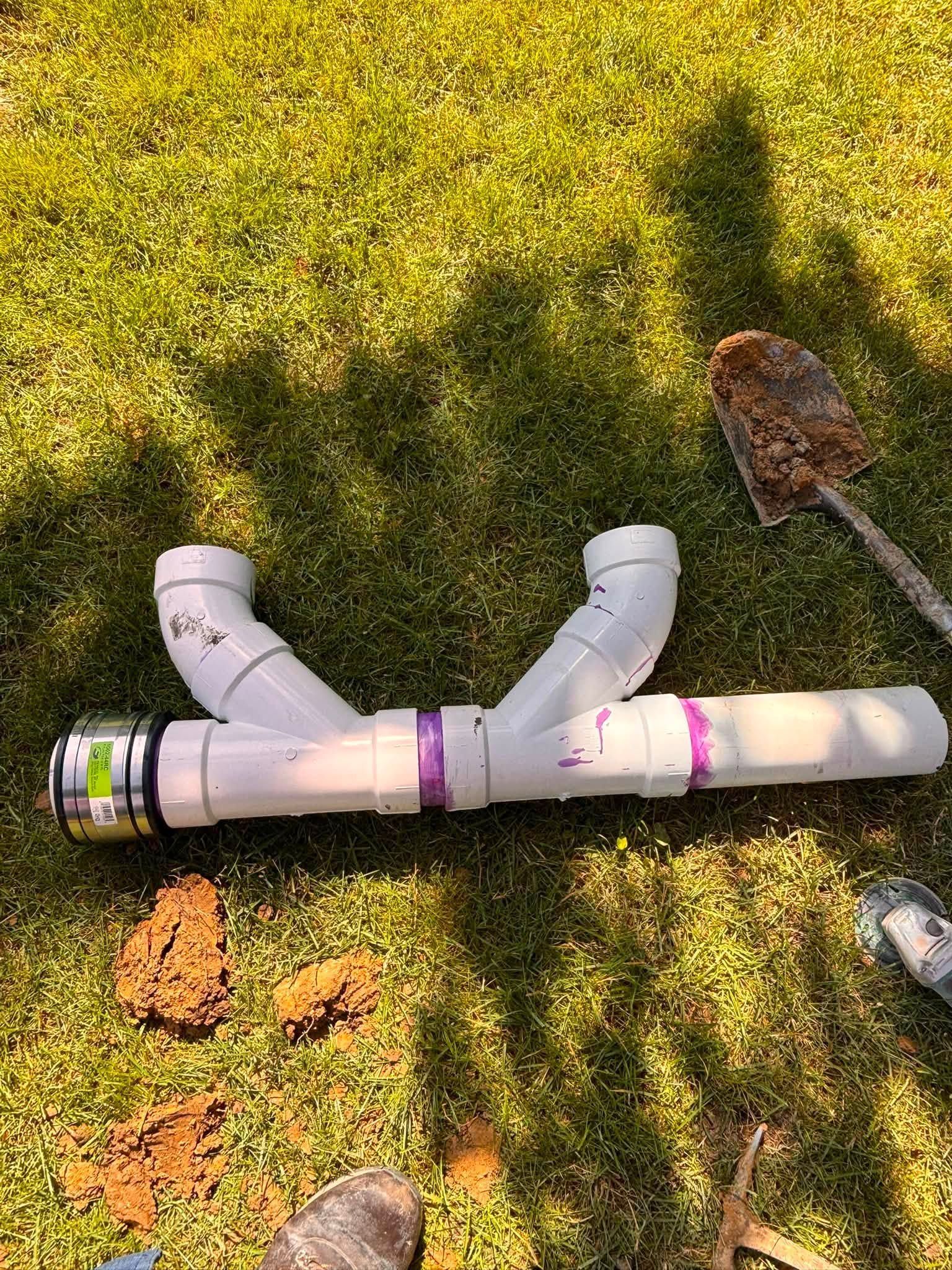
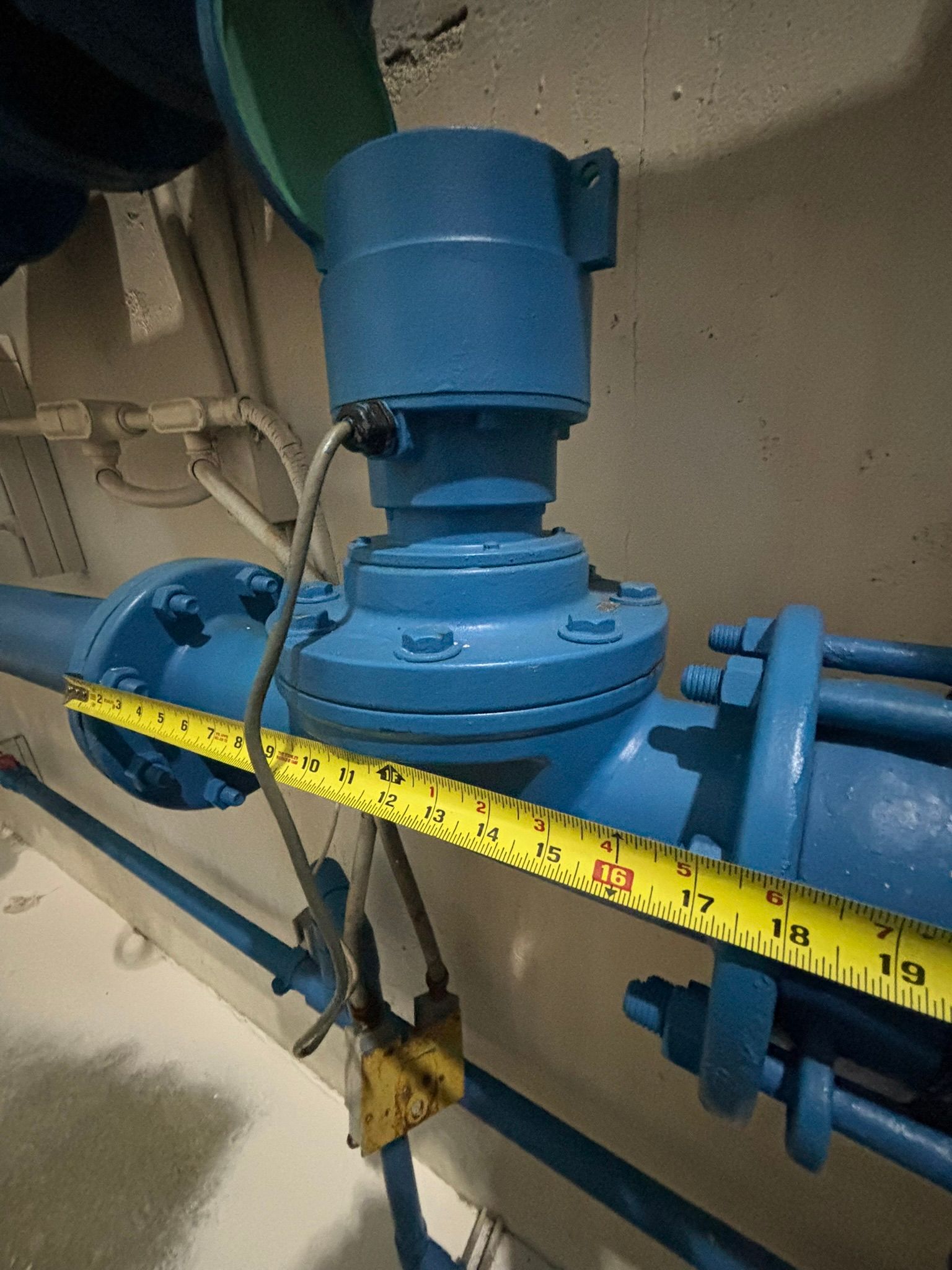
Compliance isn't separate from operations—it's a record of what your system does. Testing schedules follow operational cycles, maintenance logs track repairs and component replacements, and treatment performance data document how your equipment responds to changing source water conditions. This information gets organized into reports, submitted on schedules determined by your system classification, and retained for review during inspections.
When compliance documentation is current, you'll notice that inspections proceed without delays, operational questions can be answered with records rather than recall, and system performance trends become visible over time. You'll also have a clearer picture of which components need attention and when maintenance should be scheduled to avoid interruptions.
Compliance work also involves coordinating with testing labs, verifying sampling procedures, and reviewing results for conditions that might require operational adjustments. This ongoing cycle keeps your system aligned with applicable standards while supporting day-to-day decision-making.
What System Operators Need to Know
Operators managing community water supplies and private systems throughout Michigan encounter recurring questions about managing oversight requirements alongside operational responsibilities.
What documentation needs to be kept for compliance purposes?
You'll need records of water quality test results, treatment system operation logs, maintenance and repair work, system modifications, and any operational changes that affect water quality or distribution capacity.
How often does testing need to occur for Michigan systems?
Testing frequency depends on your system's classification, source water type, treatment methods, and population served, with schedules ranging from daily operational checks to quarterly or annual sampling for specific parameters.
What happens during a compliance inspection?
Inspectors review your operational records, verify that testing schedules are being followed, examine treatment equipment condition, and check that documentation aligns with your system's current configuration and performance.
How do operational changes affect compliance requirements?
Modifications to treatment equipment, changes in water sources, capacity expansions, or new distribution connections often trigger updated testing protocols or revised reporting obligations that must be coordinated in advance.
What should operators do when test results indicate a water quality concern?
Results outside expected ranges require operational review, possible retesting to confirm conditions, coordination with testing labs to rule out sampling issues, and documented follow-up actions based on the specific parameter involved.
CMC Environmental provides compliance support tailored to the operational realities of Michigan water systems. Call (517) 290-9216 to discuss documentation needs, testing coordination, or compliance planning for your facility.