
Components That Control Water Movement
Pump and Valve Installations in Lansing for water system equipment replacement and infrastructure upgrades
Pumps and valves perform the essential work of moving, isolating, and controlling water throughout treatment and distribution systems. When pumps fail from bearing wear or motor burnout, when valve seats corrode and prevent proper shutoff, or when system upgrades require higher capacity or improved control, installation work determines how quickly service restores and how reliably the new components perform over their service life. CMC Environmental installs and replaces pumps and valves for aging infrastructure, damaged equipment, and system improvements that support changing operational demands across Mid-Michigan water systems.
Installation involves removing failed or outdated components, preparing mounting surfaces or valve vaults, positioning new equipment with proper alignment and support, and integrating mechanical connections with existing piping. Correct placement affects maintenance access, equipment longevity, and the ease of future replacements when components eventually reach the end of their useful life.
Schedule an equipment assessment to review pump or valve specifications, installation requirements, and project coordination for your water system.
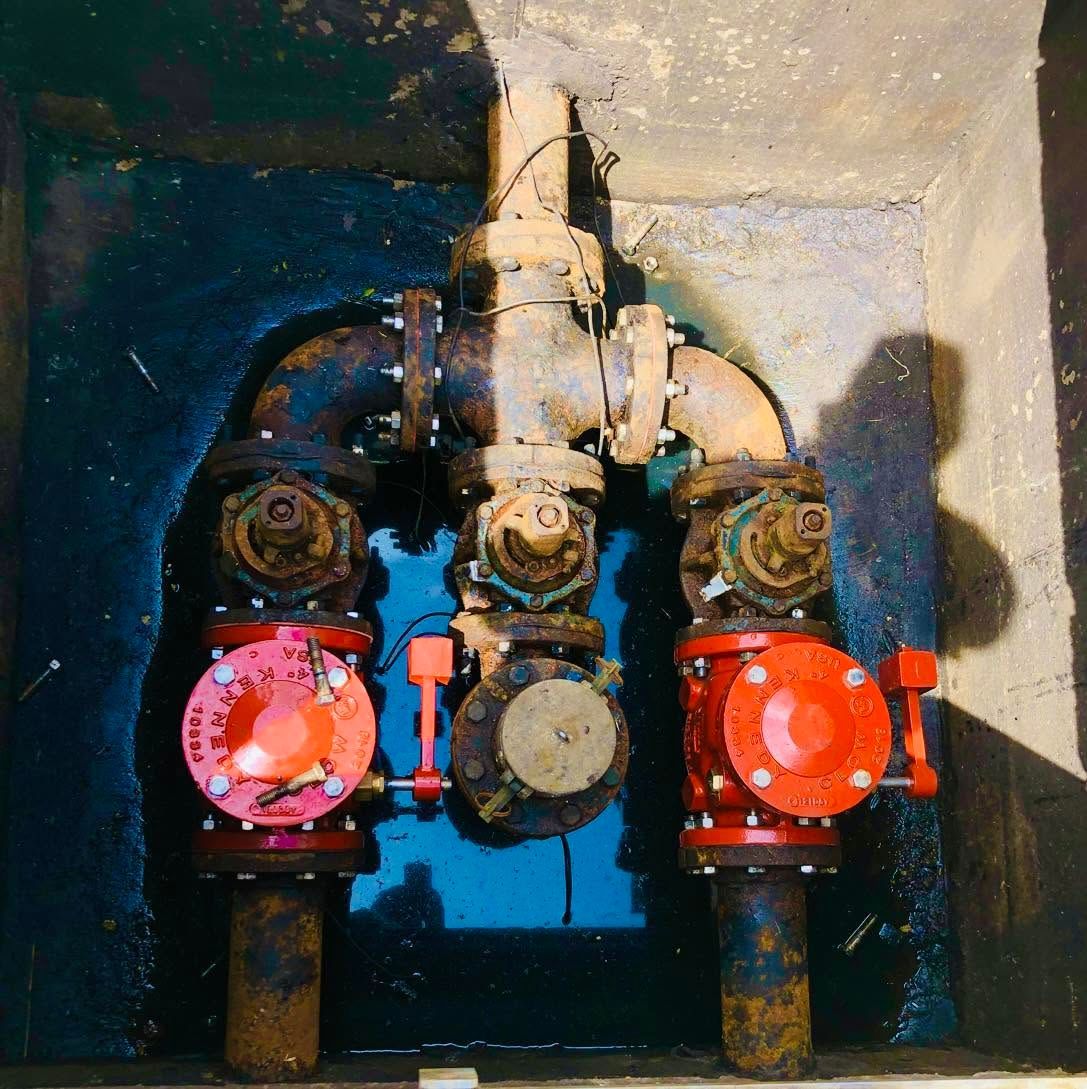
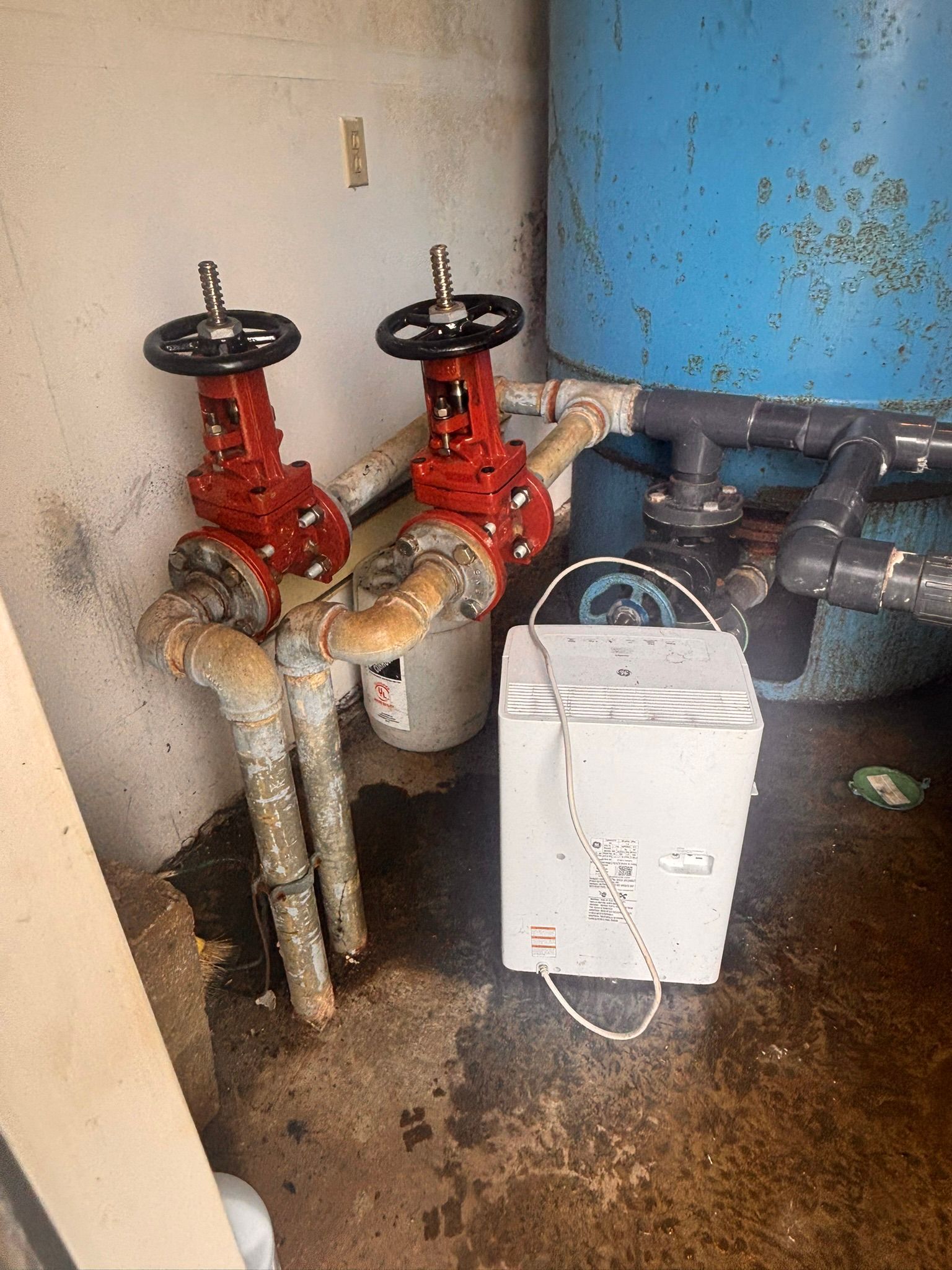
How Pump and Valve Placement Supports Dependable Operation
Pump installations require secure mounting that minimizes vibration, electrical connections that match motor specifications, and piping alignment that prevents stress on suction and discharge flanges. Valve installations demand proper orientation for stem operation, adequate clearance for handle or actuator movement, and burial depth or vault design that protects components from freezing while allowing access for maintenance. Both types of installations integrate with mechanical piping, control systems, and treatment equipment to form functional water delivery and processing systems.
After installation, you'll notice pumps that start smoothly and maintain design pressure without excessive noise or vibration, and valves that open and close fully with predictable force and reliable shutoff. Accessible placement allows operators to inspect seals, lubricate stems, and replace wear components without extensive disassembly, while proper integration with surrounding piping prevents leaks and premature component failure.
The service includes equipment removal, site preparation, new component installation, and functional testing to confirm proper operation. Installation work does not extend to pump station design, large-scale booster system engineering, or automated control programming beyond basic startup and operational verification.
What Property Owners Usually Ask
Water system operators and facility managers facing equipment replacement often ask about component selection and installation details that affect performance and maintenance requirements.
What factors determine pump selection for water systems?
Selection considers required flow rate, total dynamic head, water quality characteristics, and available power supply, with pump type chosen based on application demands and maintenance preferences.
How does valve type affect system operation?
Gate valves provide full flow with minimal pressure drop for isolation service, while butterfly and ball valves offer throttling control and compact installation, with selection based on intended function and pressure rating.
What installation details affect pump longevity?
Proper foundation support, alignment of coupling components, adequate suction piping to prevent cavitation, and vibration isolation all influence pump bearing life and seal performance.
When should aging pumps and valves be replaced?
Replacement becomes necessary when repair costs approach new equipment expense, when efficiency loss increases operating costs, or when parts availability for obsolete models makes future repairs impractical, conditions common in Lansing's aging water infrastructure.
How do pump and valve installations coordinate with other water system work?
Installations often align with mechanical piping modifications, electrical upgrades, or treatment system improvements, requiring coordination to minimize downtime and ensure compatible component integration.
CMC Environmental installs pumps and valves for water treatment facilities, distribution systems, and utility infrastructure across Mid-Michigan communities. Contact us with equipment specifications and project details to discuss installation planning and scheduling that supports your operational timeline.