Urgent Response for Water Infrastructure Failures
Emergency Utility Repairs in Lansing for failed piping, valves, pumps, and underground components
When water infrastructure fails, the priority becomes identifying the affected component, gaining access, completing the repair, and supporting a return to operation. Emergency utility repairs address urgent problems including ruptured water lines, failed valve operators, seized pumps, and underground utility component failures that disrupt service or threaten property. The work requires fast assessment of field conditions, coordinated excavation or access work, and repair methods that restore function while planning for permanent solutions if temporary measures are required to minimize downtime.
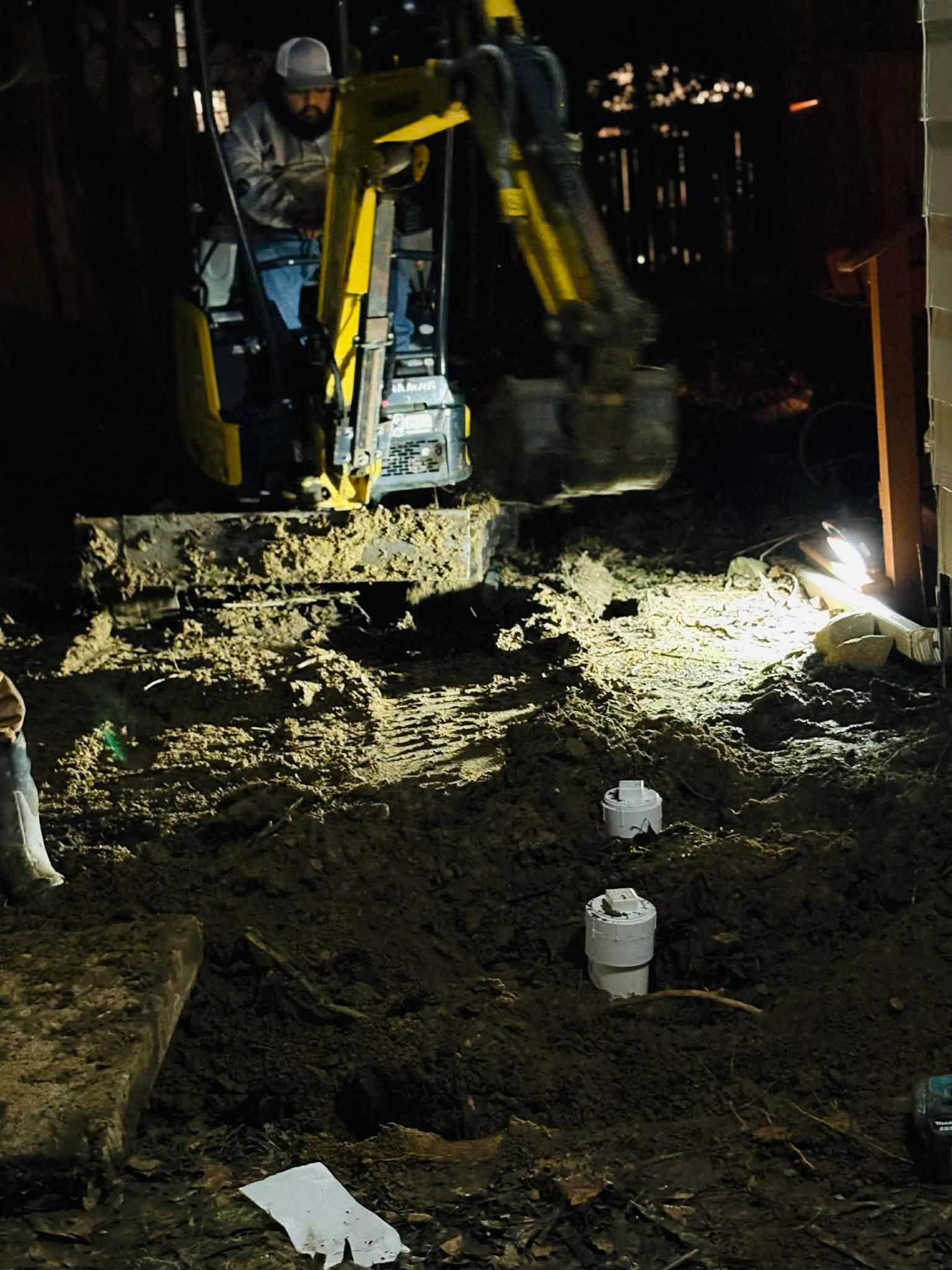
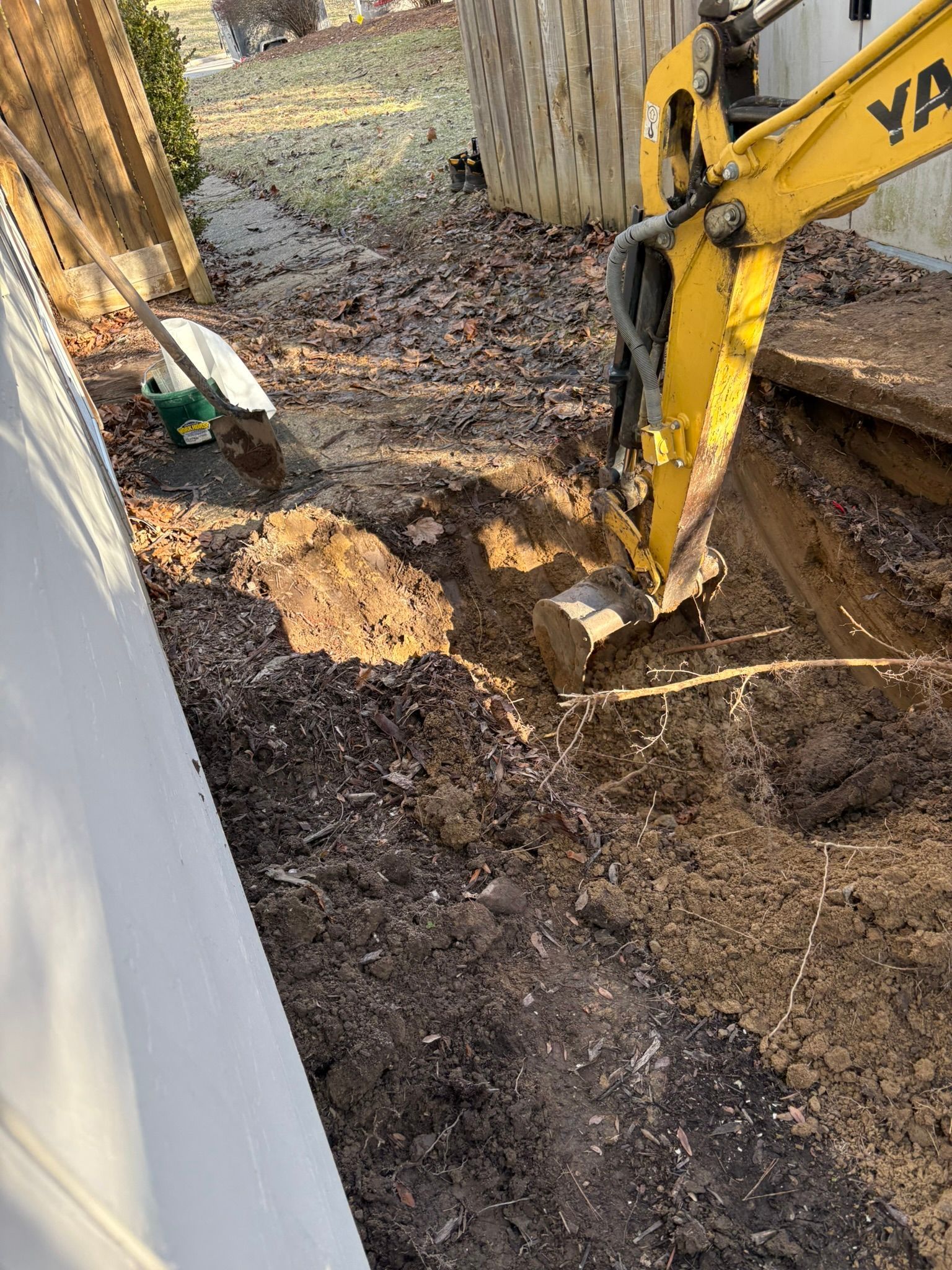
Emergency response involves locating the failure point, isolating affected sections when possible, exposing buried components through controlled excavation, and performing repair work that addresses the immediate problem. CMC Environmental handles emergency utility repairs across Mid-Michigan communities, providing field crews and equipment for urgent water system problems that require coordinated assessment and repair work.
Contact our emergency service line to report urgent water infrastructure failures and request immediate field response.
What Emergency Repairs Address
Emergency repairs target failures in underground piping, valve vaults, pump stations, and utility connections where delayed response leads to service loss, property damage, or safety concerns. Failed piping requires excavation to expose the damaged section, removal of deteriorated material, and installation of replacement pipe with secure connections. Valve failures may involve replacing actuators, rebuilding stems, or installing new valves when seats no longer seal. Pump failures demand assessment of electrical supply, mechanical drive components, and seal or bearing condition to determine whether field repair or complete replacement serves as the appropriate response.
After emergency repairs, you'll notice restored water service, controlled site conditions with temporary or permanent restoration in place, and documentation of the failure cause and repair method that informs future maintenance planning. The work prioritizes function and safety, with follow-up coordination available when permanent upgrades or additional infrastructure improvements make sense after immediate service restoration.
Emergency utility repairs include rapid assessment, field mobilization, excavation or access work as required, component repair or replacement, and service restoration. The service does not include pre-scheduled maintenance, non-urgent infrastructure upgrades, or extensive system redesign that extends beyond addressing the immediate failure.
Questions Before Starting Your Project
Operators and facility managers facing urgent water system failures often ask about response coordination and repair approaches that balance speed with long-term reliability.
What constitutes an emergency utility repair?
Situations requiring emergency response include active water line breaks, valve failures that prevent system isolation, pump failures stopping water delivery, and underground component damage causing service loss or safety hazards.
How does emergency excavation differ from planned utility work?
Emergency excavation prioritizes speed and safe access to failed components, often using smaller equipment in confined areas, with restoration planned as a follow-up step once service is restored and immediate risks are controlled.
What happens during the initial emergency assessment?
Assessment identifies the failure location, determines whether temporary isolation is possible, evaluates access requirements, and confirms equipment and materials needed to complete the repair.
When should temporary repairs be followed by permanent solutions?
Temporary repairs serve immediate needs when parts availability, weather conditions, or site access limit permanent work, with follow-up scheduled based on system criticality and seasonal factors affecting Lansing-area construction timelines.
How are emergency repairs coordinated with water system operations?
Repairs coordinate with operators to manage service interruptions, communicate with affected users, and sequence repair steps to minimize downtime while ensuring safe working conditions.
CMC Environmental responds to emergency utility failures affecting water infrastructure across Mid-Michigan communities. Call (517) 290-9216 immediately when urgent water system repairs require coordinated field response and equipment mobilization.