Piping That Connects Water System Components
Mechanical Piping in Lansing for treatment equipment, pump systems, and valve integration
Inside water treatment facilities and utility buildings, mechanical piping connects pumps, valves, treatment equipment, and control components into functional systems that move and process water reliably. CMC Environmental installs and services mechanical piping for projects involving equipment upgrades, aging pipe replacement, and system modifications that improve flow, access, or operational efficiency. Proper piping layout determines how easily operators can isolate sections for maintenance, how effectively equipment performs its intended function, and how long the installation lasts before connections begin leaking or corrosion requires replacement.
Installation work involves measuring, cutting, fitting, and securing piping runs that route water between system components while maintaining required clearances, support intervals, and access space. Pipe material selection, joint type, and support design all affect long-term performance in environments where pressure fluctuations, chemical exposure, and temperature changes stress connections over time.
Arrange a project consultation to review piping modifications, equipment integration requirements, and installation scope for your water system upgrade or repair.
What Proper Mechanical Piping Requires
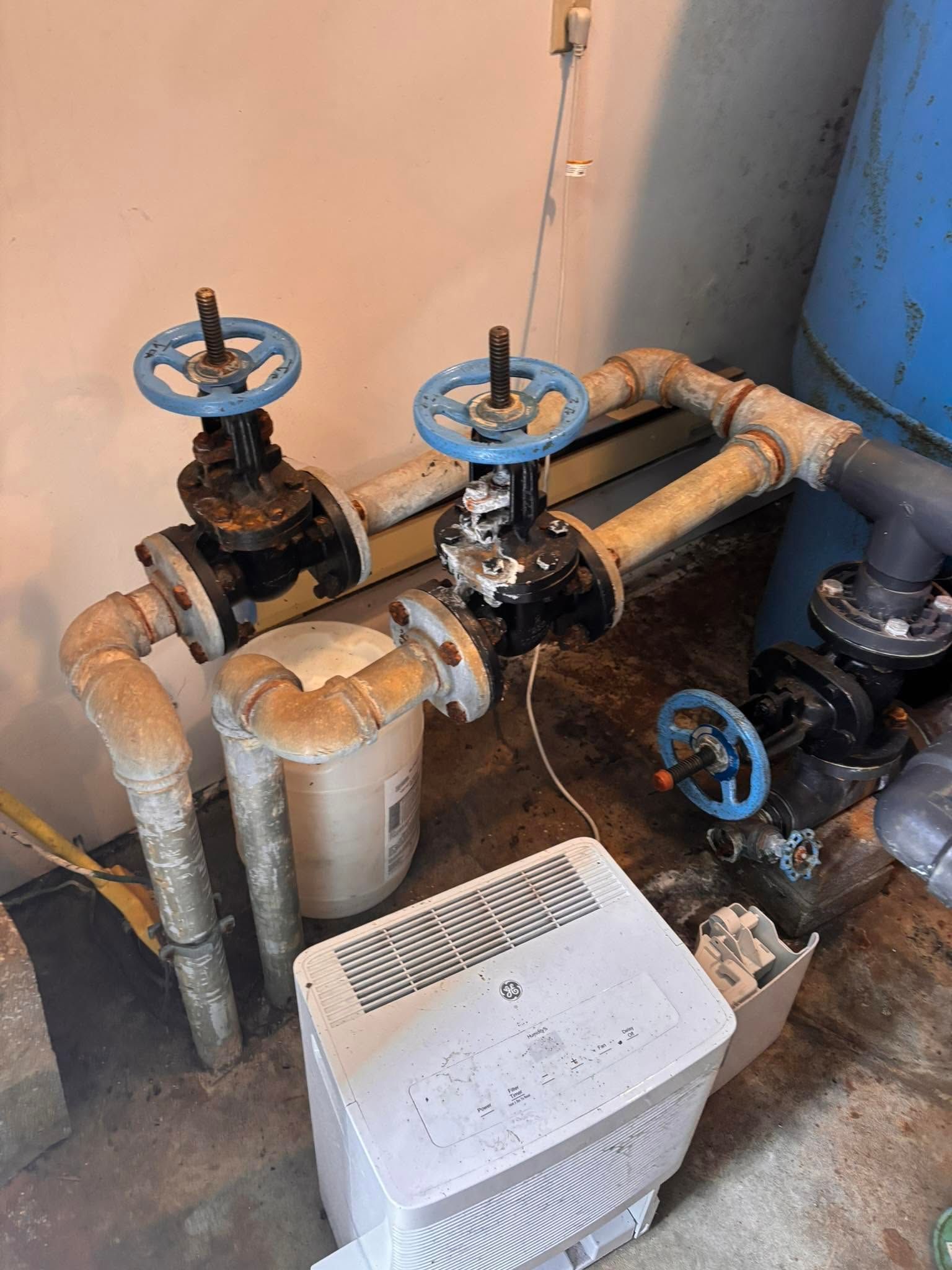
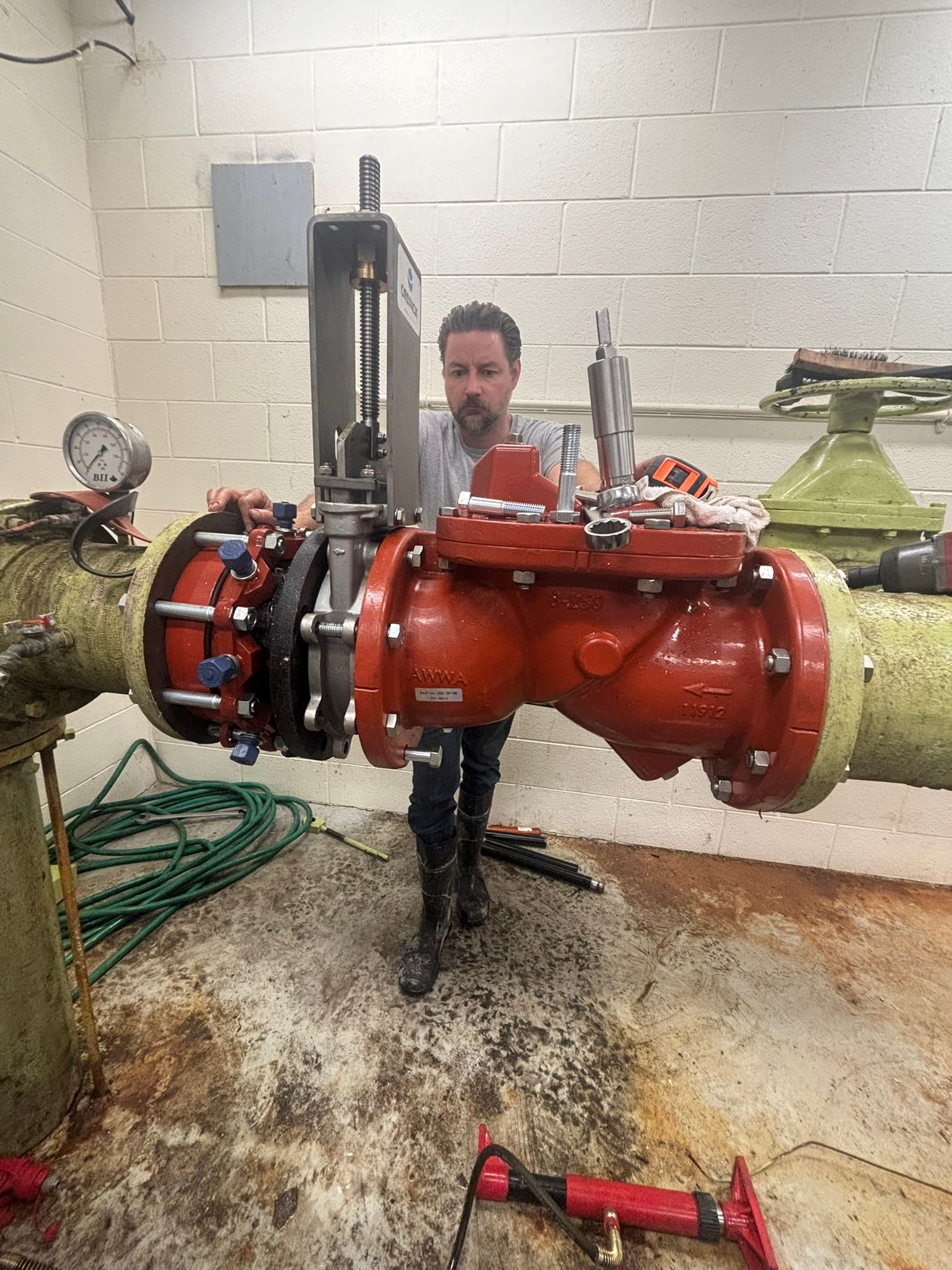
Mechanical piping work requires accurate measurement, proper material selection, and layout that accommodates future maintenance without requiring system shutdowns or extensive disassembly. Piping runs must support design flow rates without excessive pressure loss, provide isolation points where operators need to service equipment, and allow room for valve operation and instrument access. Installations often integrate threaded connections, flanged joints, or welded fittings depending on pipe material, pressure rating, and the equipment being connected.
After installation, you'll notice secure piping runs with proper support spacing, accessible valve handles and connection points, and leak-free joints that maintain system pressure during operation. The layout allows operators to isolate individual components for service without draining entire system sections, reducing downtime and simplifying routine maintenance tasks.
Mechanical piping installations include material procurement based on system requirements, fabrication and fitting of pipe sections, and testing to confirm leak-free operation at design pressure. The service does not extend to underground utility piping, large-diameter transmission mains, or process piping for chemical treatment systems requiring specialized material compatibility beyond standard water system environments.
Answers to Frequent Service Questions
Facility managers and operators planning equipment upgrades or system modifications often ask about piping material choices and installation considerations that affect long-term performance.
What piping materials work for water system installations?
Material selection depends on system pressure, water chemistry, and installation environment, with options including schedule 40 PVC for low-pressure applications, copper for potable water service, and ductile iron for higher pressures and mechanical stress.
How does piping layout affect maintenance access?
Proper layout positions valves and connections where operators can reach them without removing equipment, places supports to prevent sagging or vibration, and allows room for future component replacement without cutting and refitting entire pipe runs.
What determines pipe size for equipment connections?
Pipe sizing follows equipment manufacturer specifications and hydraulic calculations that account for flow rate, pressure loss, and velocity limits, ensuring adequate water delivery without excessive energy consumption or premature component wear.
When should mechanical piping be replaced in water facilities?
Replacement becomes necessary when corrosion weakens pipe walls, repeated leaks indicate joint failure, or system modifications require rerouting to accommodate new equipment or changed operational requirements common in aging Lansing-area water infrastructure.
How are new pipe sections integrated with existing systems?
Integration requires matching pipe material and joint type where possible, using transition fittings when materials differ, and coordinating shutdowns to minimize service interruption during connection work.
CMC Environmental handles mechanical piping installations and modifications for water treatment and utility facilities across Mid-Michigan. Provide project specifications to discuss piping design, material requirements, and installation scheduling that aligns with your system's operational needs.