Underground Access That Supports Water System Work
Utility Excavation in Lansing for water line installation, repair, and infrastructure replacement
CMC Environmental handles utility excavation as targeted field work supporting access, installation, repair, and replacement of underground water infrastructure across Mid-Michigan communities. When water systems require trenching for new line installation, exposure of buried piping for emergency repair, or grading for concrete and demolition prep, the excavation approach determines how efficiently the project moves forward and how well the site restores afterward. This work addresses both planned infrastructure upgrades and urgent access needs when underground components fail.
The process involves careful excavation around existing piping, valves, connection points, and related utility components while coordinating site conditions with installation or repair crews. Trenching depth, width, and spoil placement all affect how quickly teams can complete underground work and begin restoration. Michigan water system projects often require excavation that navigates frozen ground conditions in winter, high water tables in spring, and compact clay soils that demand specific equipment choices.
Schedule a site evaluation to review excavation scope, access conditions, and project timing for your water infrastructure work.
What Utility Excavation Actually Accomplishes
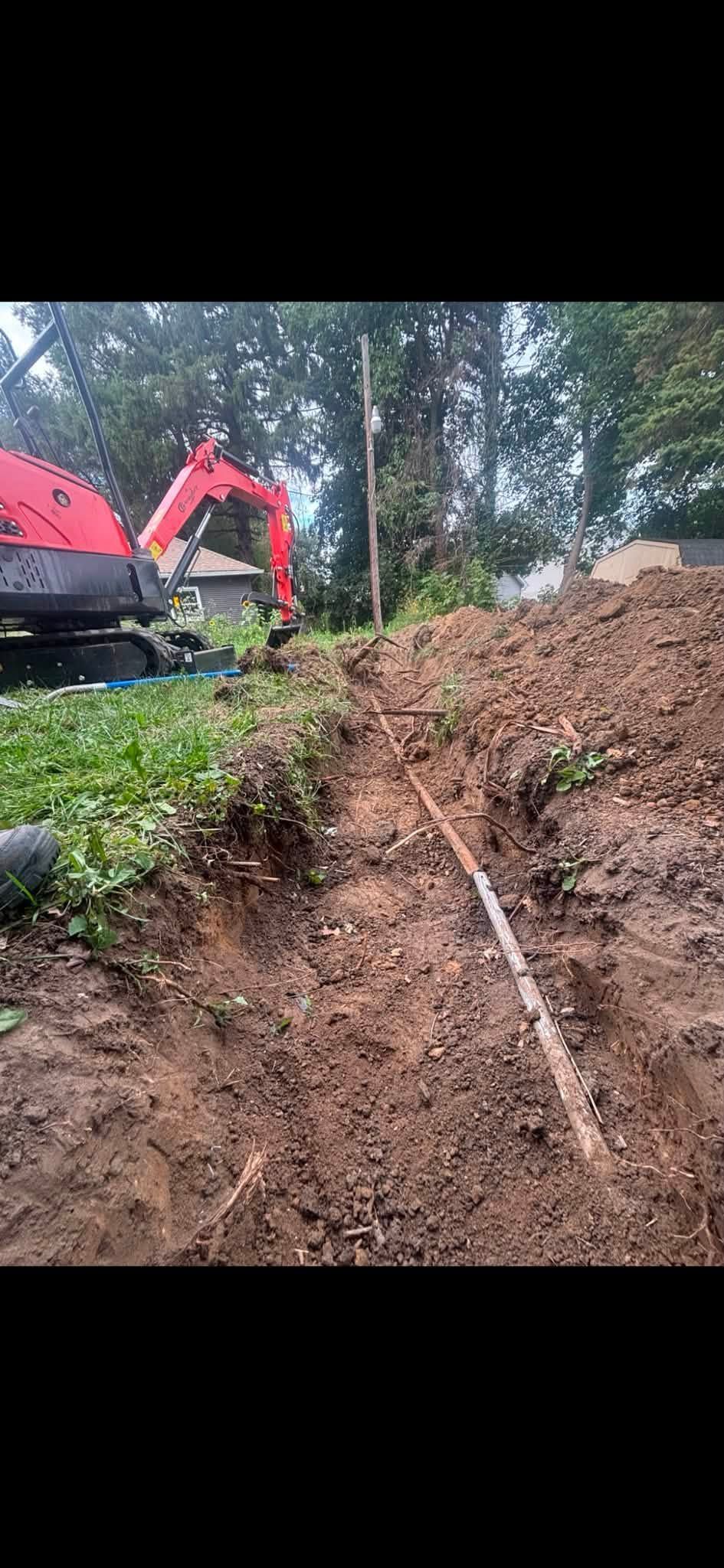
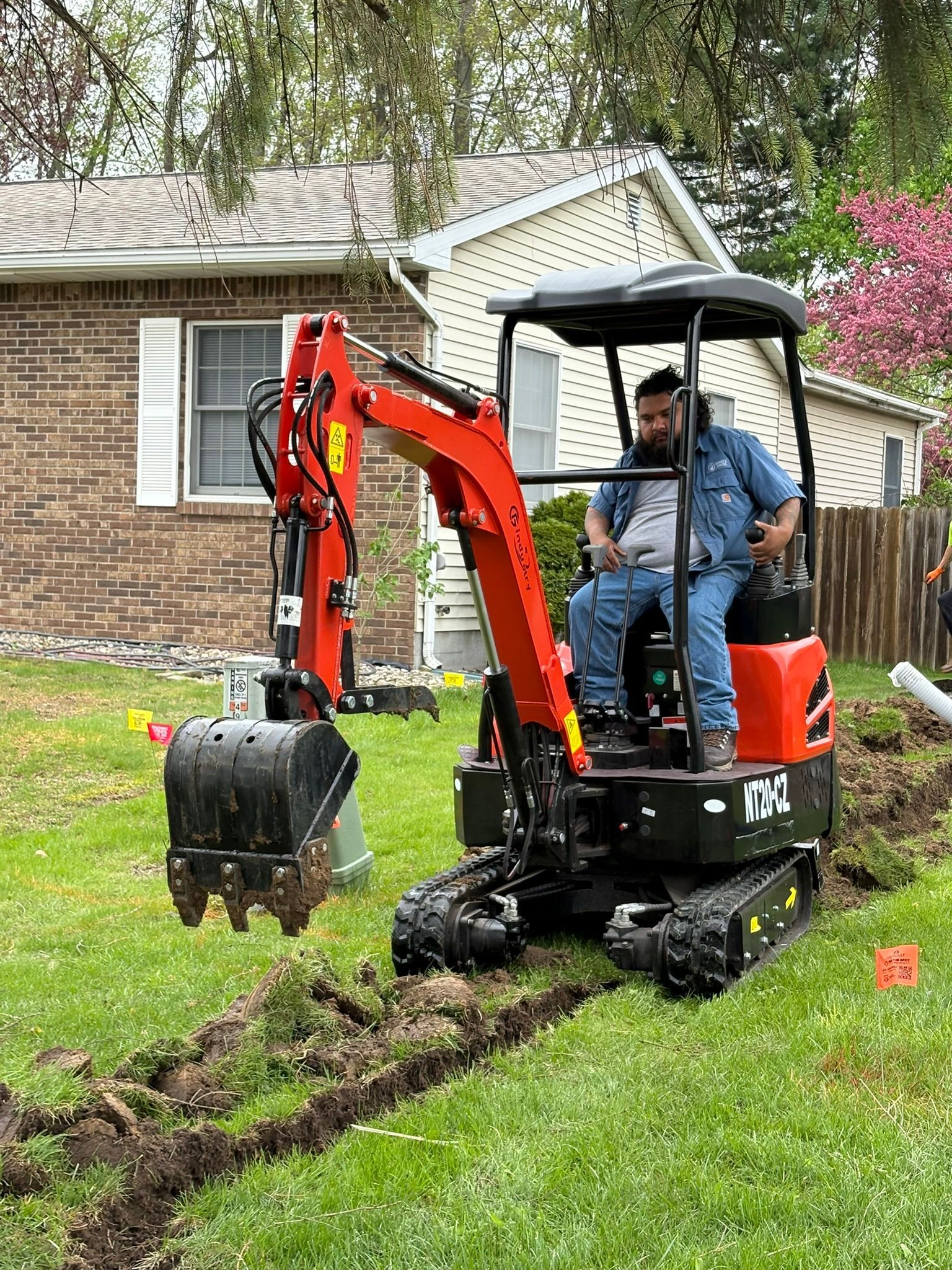
Utility excavation creates controlled access to buried water infrastructure without damaging surrounding systems or destabilizing adjacent surfaces. The work includes trenching for new water line runs, dig-outs that expose aging pipe sections for replacement, drainage work that redirects surface water away from utility corridors, and grading that prepares sites for concrete installation or demolition activity. Each excavation sequence considers the depth and location of existing utilities, soil type, and the equipment footprint required to complete the work safely.
After excavation is complete, you'll notice clean access to the targeted utility components, stable trench walls that allow installation or repair crews to work efficiently, and spoil piles positioned for efficient backfill and restoration. CMC Environmental coordinates excavation timing with follow-on work so that open trenches remain exposed only as long as necessary, reducing safety concerns and site disruption. Proper excavation also prevents damage to adjacent piping, valve vaults, and other infrastructure that complicate repairs and extend project timelines.
The service includes site assessment to identify underground obstacles, equipment selection based on soil conditions and trench dimensions, and restoration planning that considers compaction requirements and surface reinstatement. Excavation does not include directional boring, large-scale earthmoving for site development, or work that requires dewatering permits beyond standard construction site management.
Questions About Excavation for Water Infrastructure
Operators and property managers working on water system projects often ask how excavation coordinates with installation schedules and what site conditions affect the approach.
What happens before excavation begins?
Site assessment identifies existing utilities, access points, and soil conditions that affect trench design and equipment selection, ensuring crews avoid conflicts with buried infrastructure.
How does soil type affect the excavation process?
Clay soils common in Lansing and surrounding areas require different equipment and trench support compared to sandy or loamy conditions, influencing both excavation speed and restoration methods.
What determines trench width for water line work?
Trench width depends on pipe diameter, required working clearance for installers, and soil stability, with wider trenches needed when crews must access connections or valves during installation.
When should excavation be scheduled for emergency water line repairs?
Excavation for emergency repairs begins as soon as access is confirmed safe and utility locates are verified, prioritizing speed while avoiding damage to surrounding systems.
What site restoration work follows utility excavation?
Restoration includes compacted backfill to prevent settling, surface grading that matches existing contours, and reinstatement of pavement, turf, or gravel depending on the original site condition.
CMC Environmental coordinates utility excavation with water system installation, repair, and replacement projects across Mid-Michigan communities. Request project details to discuss trenching requirements, site access, and scheduling that aligns with your infrastructure timeline.