Infrastructure That Supports Safe Distribution
Water Treatment Systems in Lansing for facilities managing source water before it reaches users
CMC Environmental installs and services water treatment systems that prepare source water for distribution across Lansing and surrounding service areas. The equipment includes treatment units, mechanical piping, valves, pumps, and control elements designed to process water before it moves through distribution networks. Property managers and system operators working with wells, surface water intakes, or existing infrastructure that no longer meets current standards rely on this equipment to manage water quality objectives while maintaining continuous operation.
Treatment systems address the gap between raw water conditions and the quality needed for safe use. The work involves evaluating source water characteristics, selecting equipment that matches treatment goals, and integrating mechanical components into existing operations without disrupting service continuity.
Schedule a site evaluation to review your current source water conditions and treatment requirements.
What Treatment Infrastructure Actually Includes
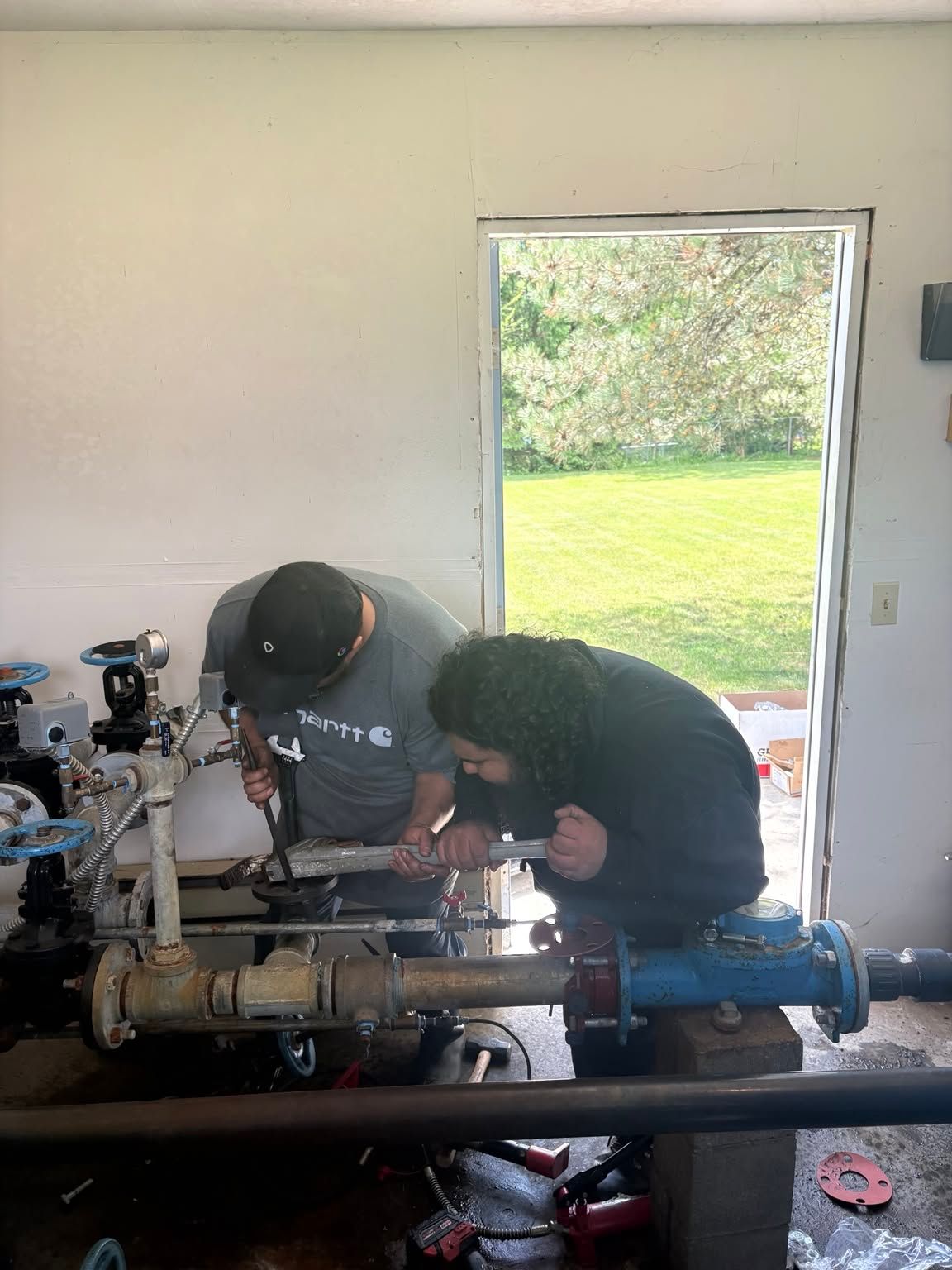
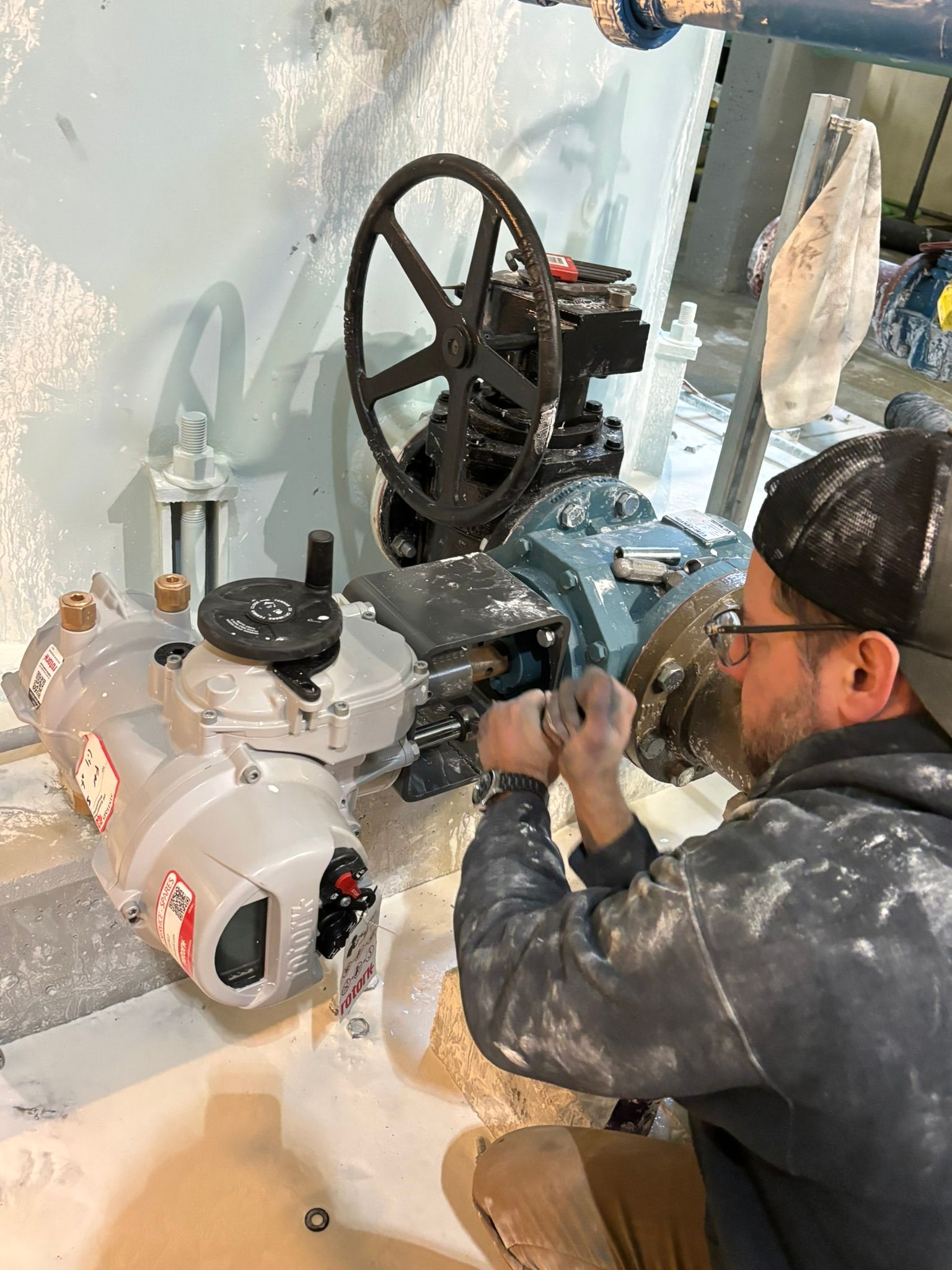
Treatment equipment operates as a mechanical process where water flows through piping, passes through processing units, and moves on to storage or distribution. Pumps control flow rates, valves regulate pressure and direction, and housing units contain the treatment media or filtration elements. Each component must be sized for your system's flow demands and designed to handle the water chemistry coming from your source.
Once installation is complete, you'll notice consistent flow pressure, equipment that cycles predictably during operation, and water that meets the quality standards your system was designed to achieve. The mechanical operation becomes routine, and you'll have clear access points for inspection, maintenance, and filter or media replacement as needed over time.
Treatment systems require ongoing attention to maintain performance. Filter media wears down, valve seals degrade, and pumps eventually need service. Planning for scheduled maintenance and component replacement helps avoid unplanned failures that interrupt service or compromise water quality.
Questions Operators Ask Before Installation
System operators managing treatment infrastructure across Michigan face a range of practical questions before committing to new equipment or upgrades.
What happens if treatment equipment fails during operation?
Most systems include bypass piping or redundant components that allow you to isolate failed equipment while maintaining some level of service, but the design must account for this in advance.
How does source water quality affect equipment selection?
Water chemistry, particulate load, and flow variability all influence which treatment components will perform reliably over time, and mismatched equipment leads to frequent maintenance or early replacement.
When should treatment systems be upgraded rather than repaired?
If your system no longer meets current flow demands, treatment goals have changed, or repair costs approach replacement value, upgrading becomes the more practical long-term option.
What routine maintenance does treatment equipment require?
Filters need replacement on schedules that vary with water conditions, valves require periodic inspection and seal replacement, and pumps need bearing service or motor checks depending on runtime hours.
How do treatment systems integrate with compliance monitoring?
Treatment equipment must be positioned to allow representative sampling, and operational records need to align with testing schedules required under Michigan drinking water oversight programs.
CMC Environmental works with water system operators who need to evaluate treatment options, plan installations around operational constraints, or address equipment that no longer meets system demands. Contact our team at (517) 290-9216 to discuss treatment infrastructure planning for your facility.