Data That Drives System Decisions
Water Quality Testing in Lansing for operators who need current information about source and treated water conditions
Testing reveals what's actually in your water rather than what you assume is there. Water Quality Testing from CMC Environmental produces data that informs treatment decisions, compliance reporting, and operational adjustments across Lansing's mix of community systems and private groundwater wells. Source water chemistry shifts with seasonal recharge, well performance changes over time, and treatment equipment responds differently as conditions vary. Without testing, you're managing infrastructure based on guesswork rather than measured conditions.
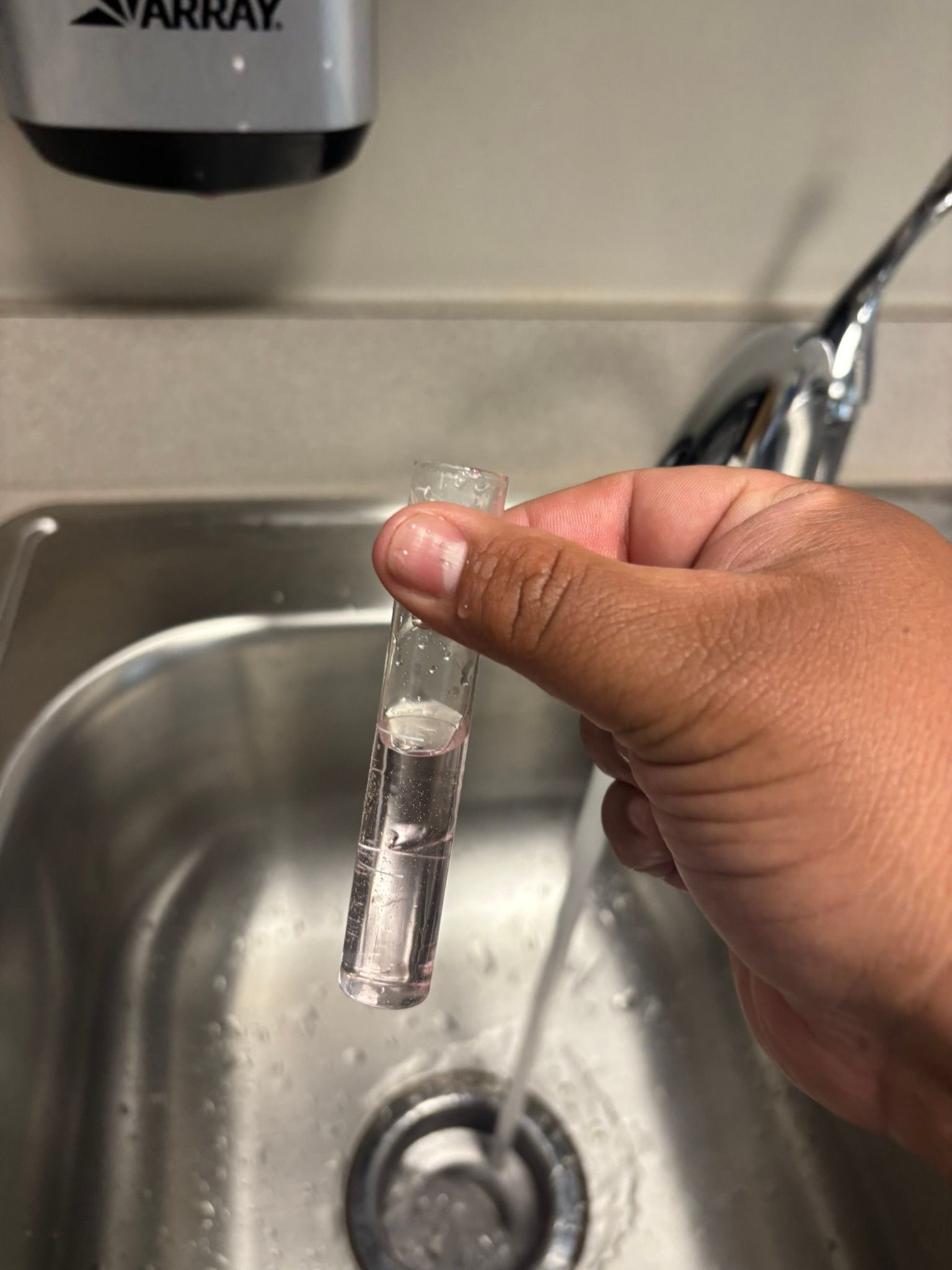
Testing involves collecting representative water samples, delivering them under proper handling protocols, and receiving results that describe specific water quality parameters. This information shows whether treatment equipment is performing as designed, whether source conditions have changed, and whether your water meets the standards your system is required to maintain.
Arrange a testing consultation to identify which parameters matter most for your system and establish a sampling schedule.
Why Testing and Treatment Are Separate Functions
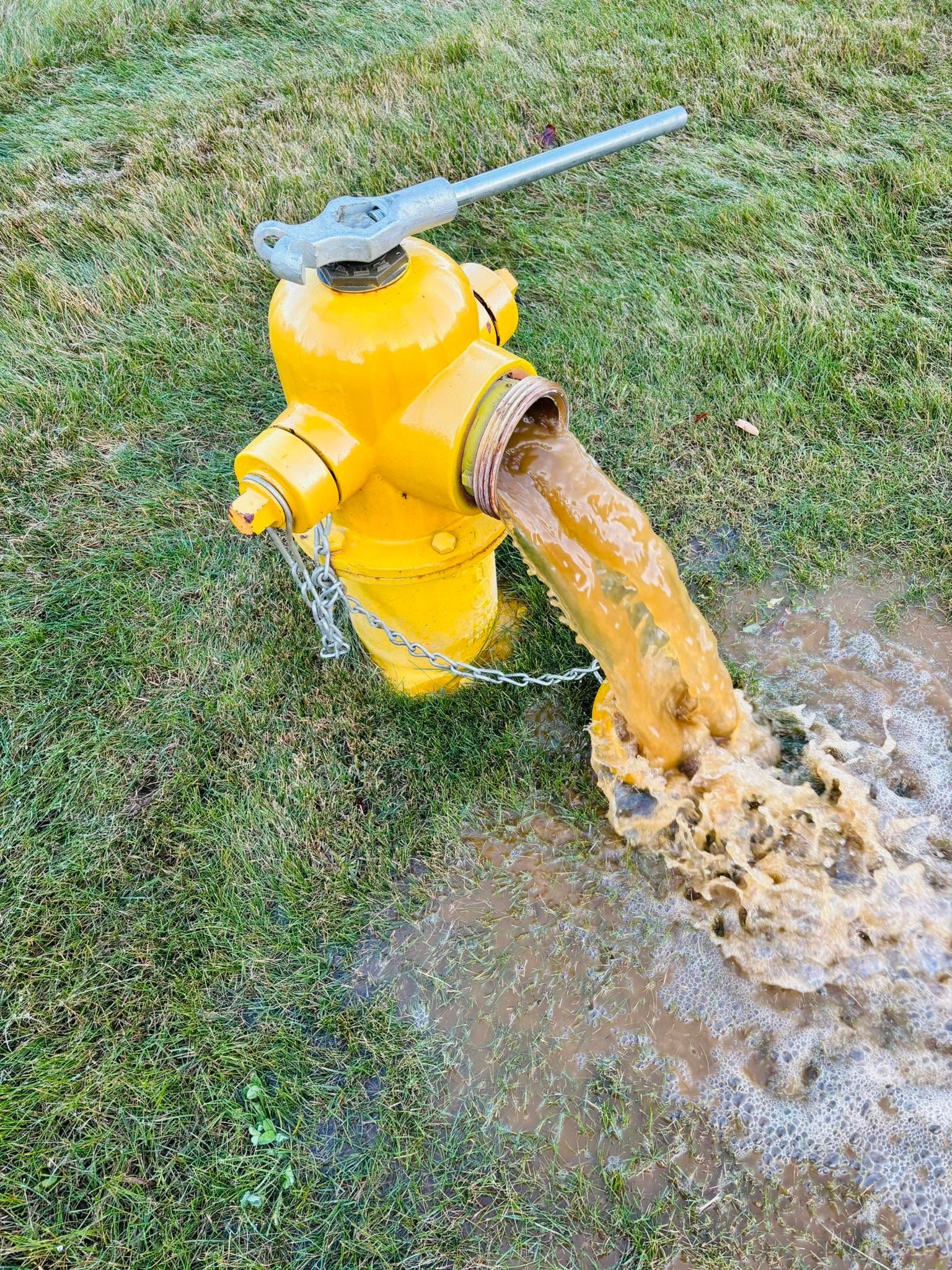
Testing identifies conditions—it tells you what's present in your water and at what concentration. Treatment addresses those conditions through mechanical processes, chemical dosing, or filtration. One provides information, the other takes action. Both are necessary, but testing always comes first because you can't design treatment, verify performance, or demonstrate compliance without knowing what you're working with.
After testing, you'll have laboratory reports that quantify specific parameters and compare them to applicable standards or operational benchmarks. You'll know whether your treatment system is working, whether seasonal changes are affecting source water, and whether adjustments are needed to maintain consistent quality. The data also supports compliance documentation and helps track performance trends over time.
Testing schedules depend on your system type, source water variability, treatment complexity, and regulatory requirements. Some parameters need frequent monitoring during operations, while others are tested quarterly or annually unless conditions change. Understanding which tests matter for your system helps focus resources on actionable data.
Common Questions About Water Testing
Operators and property owners managing wells and water systems in Michigan often need clarity on what testing involves and how results should be interpreted.
What does a water quality test actually measure?
Tests quantify specific parameters such as microbial indicators, inorganic chemicals, treatment byproducts, or physical characteristics like pH and turbidity, depending on which analytes are included in the testing panel you select.
How should water samples be collected to get accurate results?
Proper sampling requires clean containers provided by the lab, flushing lines before collection to get representative water, avoiding contamination during handling, and delivering samples within holding time limits that vary by parameter.
When should testing be conducted for Michigan groundwater wells?
New wells should be tested before use, existing wells should be tested when water quality changes are noticed, and routine testing schedules depend on whether the well serves a regulated public system or private use.
What do testing results tell you about treatment needs?
Results show which parameters exceed standards or operational goals, which helps identify whether treatment is necessary, what type of treatment might be effective, and whether existing equipment is performing as intended.
How does testing support compliance obligations in Lansing?
Testing provides the documented water quality data required for regulatory reporting, verifies that treatment systems are meeting performance standards, and creates records that demonstrate ongoing system management during inspections.
CMC Environmental coordinates water quality testing that supports operational decision-making and compliance documentation. Call (517) 290-9216 to discuss testing parameters, sampling logistics, and result interpretation for your water system.